Physiology


Welcome to the Department of Physiology
Established in 1914, the Department of Physiology is dedicated to exploring the intricate workings of living systems through studying the biological and chemical processes governing their functions. We are an internationally renowned teaching and research-intensive department ranked 21st amongst Physiology Departments worldwide (QS World University Research Rankings 2022). The Department runs a large undergraduate program with more than 2500 students from diverse programs registered in the 28 courses we offer in the 2nd, 3rd, and 4th year. We also run an Undergraduate Honors Program that has enjoyed almost 300 per cent growth in the last five years, reaching 199 students in 2021-22.
Programs
Undergraduate Degree Program
The Honors Program is designed to prepare students for advanced study leading to careers in academia, industrial research, or for entry into health-related professions. A choice of courses is available for students with interests in particular branches of the life sciences, such as cell and molecular biology, endocrinology, cardiovascular physiology, neurobiology and perinatal research.
Graduate Degree Programs
The Department of Physiology offers graduate programs leading to the Master of Science and Doctor of Philosophy degrees. The Department is well equipped with facilities for many fields of physiological research, including cardiovascular physiology, cellular physiology, endocrinology, renal physiology, respiratory physiology, and neuroscience.
Certificate in Biomedical Research
Undergraduate students who pursue the certificate will be engaged in world-class biomedical research programs and will acquire a broad range of research skills through substantive laboratory courses and independent research project experiences.

Graduate Training Opportunities
There any many opportunities within the Department to engage in thesis-based research. Browse through some of the available graduate training positions and contact a faculty member performing research that align with your interests.
Spring, Summer, and Winter Terms 2024
Online Asynchronous
PHYSL 210A & PHYSL 210B - Human Physiology
In this two-part course, students study the function and regulation of the human body and the complexities and interactions of cells, tissues, major organs and systems. This course is offered as a classroom-based course or in an online format.
Kyla Smith
Spring Term 2024
Online Asynchronous
PHYSL412 - Physiology in History and Popular Culture
Key historical scientific/medical discoveries as well as modern socio-cultural phenomena serve as a catalyst for discussion of fundamental concepts in Physiology spanning all body systems. Highlighted case presentations facilitate application of physiology knowledge through discovery learning approaches to study historical foundations and modern marvels by evoking vivid imagery, curiosity and relatability.
Shereen Hamza
-
Dynamic History
The Department has evolved from humble beginnings in Pembina Hall in 1913 to a renowned research and teaching hub.
-
Research Excellence
The Department of Physiology was ranked 21st amongst Physiology Departments worldwide. (QS World University Research Rankings 2022)
-
Graduate Training
The Department of Physiology has well-established laboratories, training opportunities, and state-of-the-art programs, which provide an ideal training environment for graduate students.
Message from the Chair
Physiology is the integrative study of cellular and whole-body function; it links other biomedical sciences with experimental and clinical medicine.
We are an internationally renowned teaching and research-intensive department, and we are proud of our international reputation and the diverse, collegial environment we have established. Our Graduate program offers thesis-based MSc and PhD degrees and has grown approximately 20 per cent in the last five years.
I invite you to continue exploring our website to learn more about our research and training/career opportunities. I also encourage you to contact our staff with any questions that arise, including questions about how departmental programs might help you achieve personal goals.
Enjoy your virtual visit to Physiology at the U of A.
Gregory Funk
Professor and Chair

News
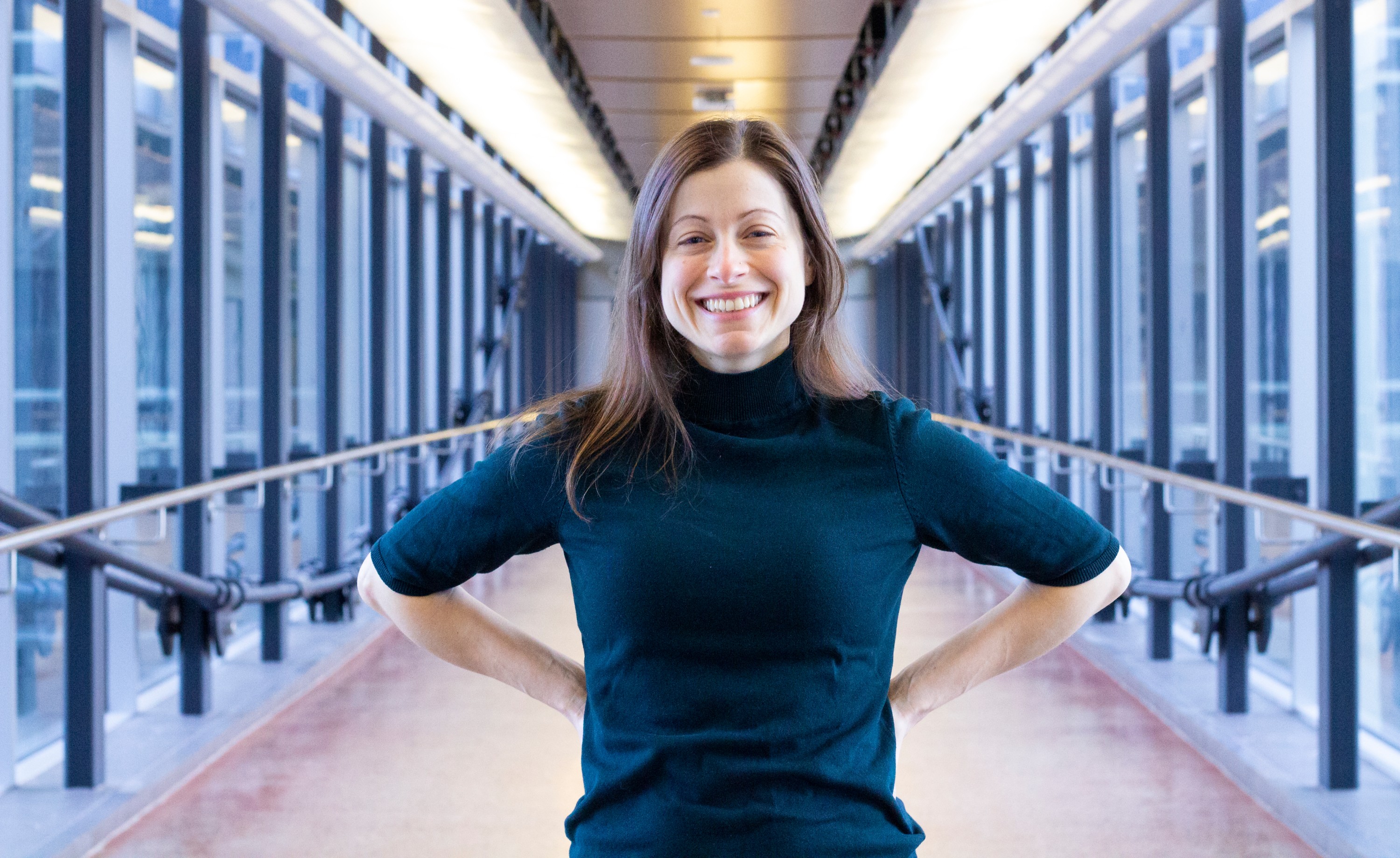
Physiology Assistant Professor receives Brain Canada Foundation's research award
Congratulations to Dr. Maria Ioannou for receiving the Brain Canada Future Leaders Award.